
Finish the text before producing the files
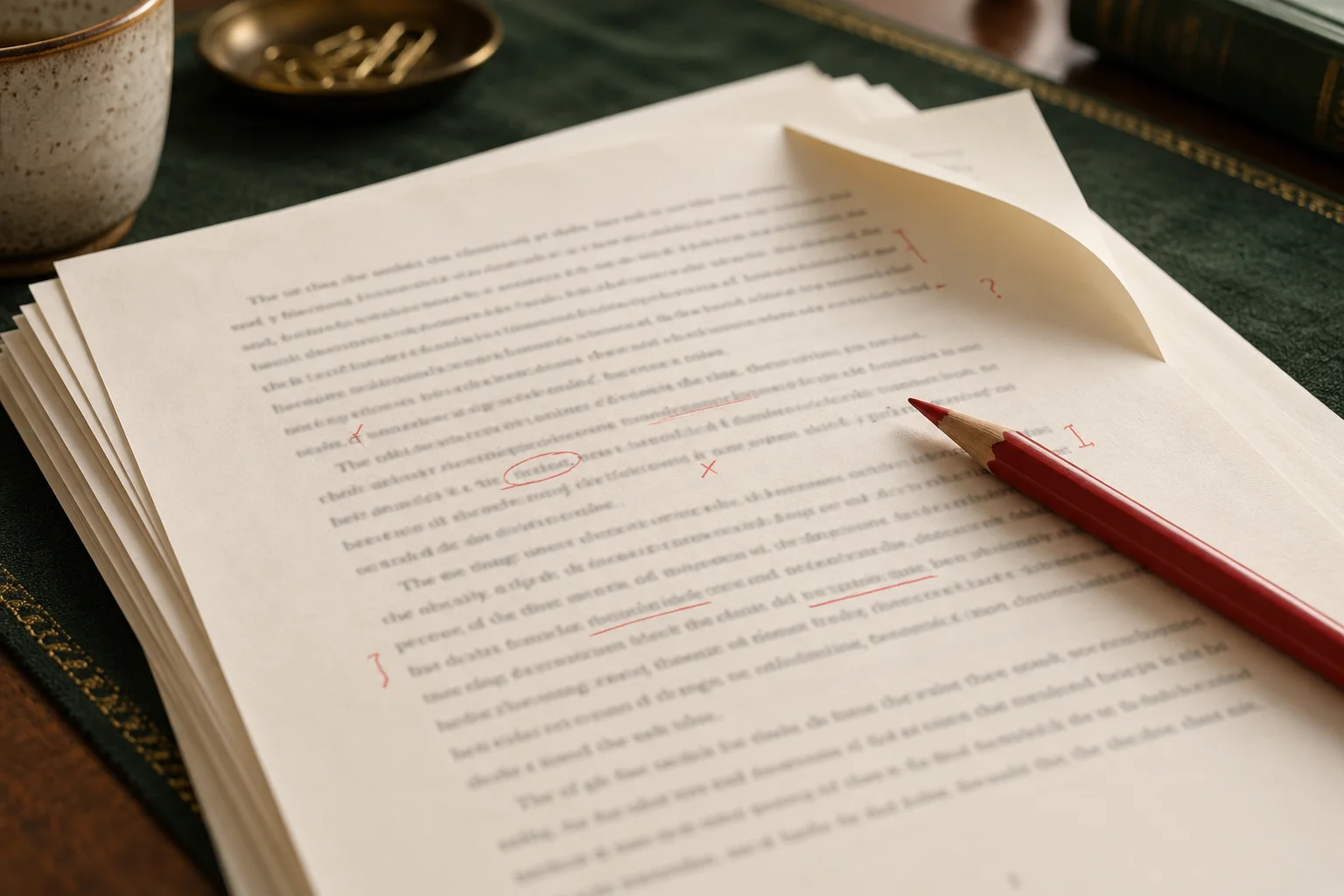
Editing after formatting can create additional work and introduce new errors. Resolve major content questions first, then plan the final proofing stage. Keep a single approved manuscript so collaborators do not work from competing versions.
Choose the editions you actually need
A paperback, hardcover, ebook, and audiobook have different production requirements. Start with your readers and how they use the book. An illustrated reference book may need a different digital approach from a text-led novel.
Gather the metadata
Prepare a book description, author biography, title and subtitle, category ideas, and relevant keywords. Record which details are final. Consistency across editions and sales channels makes the book easier to identify.
Clarify accounts and rights
Know who controls publishing accounts and who holds permissions for text, images, quotations, and fonts. Keep permissions and licenses together. Discuss identifiers and imprint decisions before submission rather than treating them as an afterthought.
Review an actual proof
A file that looks good on a laptop can feel different on paper or an e-reader. Check chapter openings, page numbers, image quality, navigation, and cover alignment. Make a correction list and approve a final version before release.
Further reading
Amazon KDP: paperback cover requirements ↗
Check the requirements for the edition and printer you choose before approving production files.
An introductory resource prepared for this website. Discuss your manuscript and requirements before making production decisions.
Put the guide to work.
Write down one decision this article helped clarify and one question you still need to answer. Bring both to your next project conversation.
Discuss your book